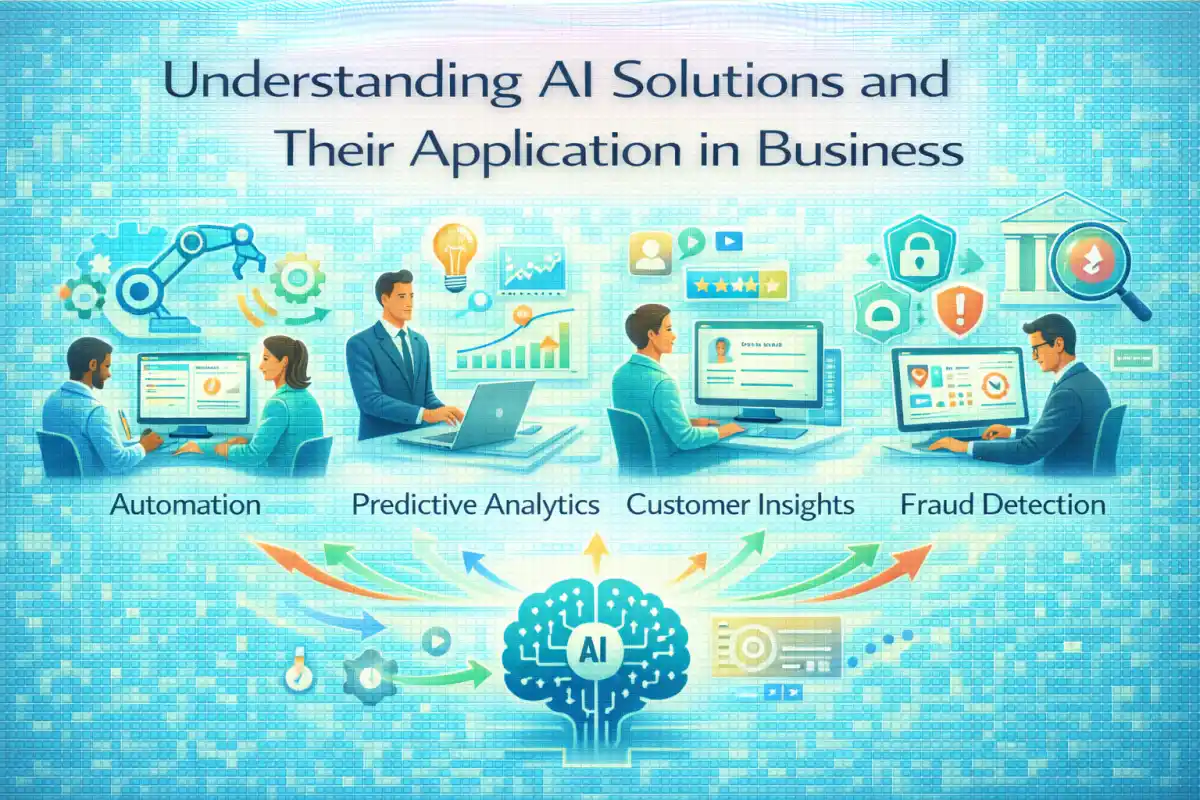
Understanding AI Solutions and Their Application in Business
What Are AI Tools?
AI tools are software applications that harness artificial intelligence to perform tasks that typically require human intelligence. These tools can analyze data, learn from it, and make decisions based on their findings. They range from simple applications, like chatbots, to complex systems that can predict market trends.
In the business world, AI solutions are increasingly important. They help organizations to be more efficient and responsive to market needs. By automating routine tasks, they free up human resources for more strategic initiatives.
Core Technologies Behind AI Tools
The backbone of AI solutions consists of several key technologies. Each plays a significant role in how these tools function and deliver value to users.
Machine Learning (ML)
Machine learning is a subset of AI that enables systems to learn from data. It allows computers to improve their performance over time without being explicitly programmed for every scenario.
Natural Language Processing (NLP)
NLP focuses on the interaction between computers and humans through spoken or written language. This technology allows AI tools to understand, interpret, and respond to human language in a meaningful way.
Computer Vision
This area of AI enables machines to interpret and process visual information from the world. It can be used for tasks like image recognition and video analysis, enhancing capabilities in various sectors.
Predictive Analytics
Predictive analytics uses statistical algorithms and machine learning techniques to identify the likelihood of future outcomes based on historical data. It helps businesses make informed decisions.
Why Businesses Are Rapidly Adopting AI Tools
The rise of AI tools in the business sector can be attributed to several factors. Companies are under constant pressure to improve efficiency and reduce costs. AI offers solutions that can automate repetitive tasks, leading to significant time and cost savings.
Moreover, AI tools provide insights that can enhance decision-making processes. By using data analytics, businesses can identify trends and make proactive adjustments to their strategies, thereby maintaining a competitive edge.
Common Types of AI Tools for Business
Businesses use various AI tools tailored to specific functions. Here are some commonly used types:
AI Automation Tools
These tools automate routine tasks, allowing employees to focus on more strategic activities. They can manage workflows, schedule meetings, and handle customer inquiries.
AI Analytics Platforms
These platforms analyze large sets of data to extract actionable insights. They are essential for businesses looking to understand their market better and optimizing their operations.
AI Customer Support Tools
These tools enhance customer service by providing instant responses to inquiries. Chatbots and virtual assistants are examples that improve customer engagement and satisfaction.
AI Marketing Tools
AI in marketing helps businesses target their audiences more accurately. These tools analyze consumer behavior to create personalized marketing campaigns that resonate with potential customers.
AI Sales Tools
Sales tools powered by AI help teams identify leads and tailor their outreach efforts. They can also analyze sales data to forecast trends and improve sales strategies.
How Businesses Use AI Tools
AI solutions are versatile and can be applied in various business functions. Here are some common uses:
1. Process Automation
By automating routine processes, businesses can increase efficiency. This allows staff to focus on more complex tasks that require human intervention.
2. Data Analysis and Forecasting
AI tools provide advanced analytics capabilities. Companies can analyze historical data to forecast future trends, enabling better planning and resource allocation.
3. Customer Experience Enhancement
AI enhances the customer journey. It personalizes interactions and provides timely support, leading to improved customer satisfaction and loyalty.
4. Fraud Detection and Risk Management
AI tools can identify anomalies in transactions, helping businesses to detect fraud. They can also assess risks and provide insights to mitigate them effectively.
5. HR and Talent Management
AI can streamline hiring processes by screening resumes and identifying suitable candidates. It can also assist in employee engagement and performance management.
Industry Use Cases of AI Tools
Various industries are integrating AI solutions into their operations:
Finance
In finance, AI tools are used for risk assessment, fraud detection, and algorithmic trading. They analyze market data to make investment decisions.
Healthcare
Healthcare providers use AI to analyze patient data, assist in diagnostics, and personalize treatment plans. This technology improves patient care and operational efficiency.
E-commerce
AI enhances the shopping experience in e-commerce by personalizing recommendations and optimizing inventory management. It helps businesses respond to consumer trends rapidly.
Manufacturing
Manufacturers employ AI for predictive maintenance and quality control. This reduces downtime and improves the production process.
Marketing
In marketing, AI tools analyze consumer data to optimize campaigns and measure their effectiveness. They help in targeting the right audience with the right message.
AI Tools vs Traditional Software
Unlike traditional software, which follows predefined rules, AI tools adapt and learn from data. This allows them to handle complex scenarios and provide more accurate outcomes.
While traditional software requires manual updates and adjustments, AI systems can evolve over time. This adaptability makes AI solutions more aligned with the dynamic nature of business environments.
Benefits of Using AI Tools for Business
The advantages of adopting AI tools are substantial:
Increased efficiency through automation leads to cost savings. Enhanced decision-making is possible due to data-driven insights. Improved customer experiences result in higher satisfaction and retention rates.
Moreover, AI tools can scale operations quickly, allowing businesses to adapt to growth without significantly increasing resources.
Challenges of Implementing AI Tools
Despite the benefits, implementing AI tools comes with challenges. One major issue is the initial investment required for technology and training. Companies may also face resistance from employees who fear job displacement.
Additionally, ensuring data privacy and compliance with regulations can complicate the integration of AI solutions into existing systems.
Why AI Tools Deliver High ROI in Tier-1 Countries
In developed nations, the return on investment for AI tools is often high due to advanced infrastructure and strong digital adoption. Companies in these regions can leverage AI to optimize costs and improve operational efficiencies effectively.
Furthermore, the availability of skilled talent and resources allows businesses to implement AI solutions successfully, driving innovation and growth.
The Future of AI Tools in Business
The future of AI tools looks promising. As technology advances, we can expect more sophisticated solutions that can handle increasingly complex tasks.
Moreover, as businesses continue to embrace digitization, the demand for AI tools will grow. Companies that adopt these technologies early will likely gain a competitive advantage.
Final Thoughts
AI tools are reshaping the business landscape. They offer numerous advantages, from increased efficiency to enhanced decision-making. However, companies must navigate challenges related to implementation and data privacy.
By understanding the capabilities and limitations of AI solutions, businesses can make informed decisions that lead to long-term success.