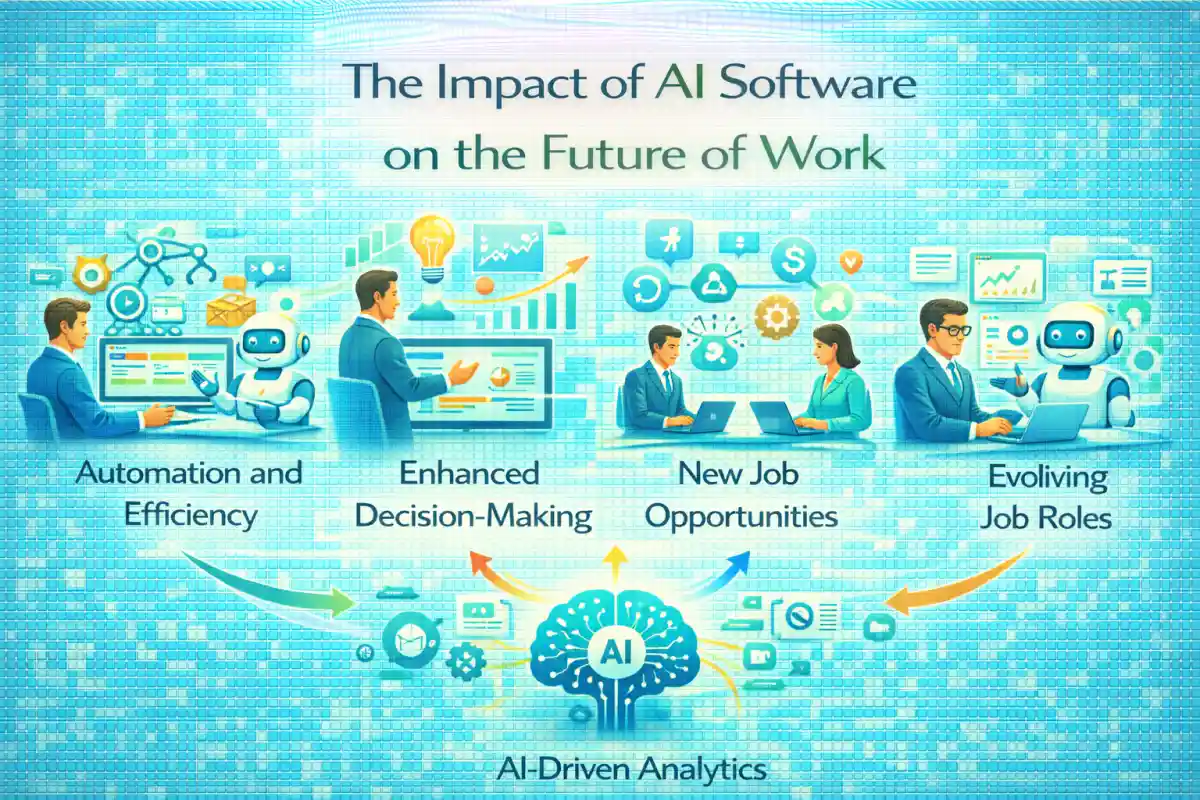
The Impact of AI Software on the Future of Work
Understanding AI Software in the Modern Workplace
AI software is becoming a fundamental part of the contemporary work environment. It refers to programs and systems that can perform tasks requiring human-like intelligence. This includes understanding language, recognizing patterns, and making decisions.
Organizations are increasingly adopting AI solutions to improve efficiency and productivity. These tools are often integrated into existing enterprise software, enhancing capabilities in various sectors such as finance, healthcare, and customer service.
The Shift From Manual Work to Intelligent Automation
Automation is not new, but intelligent automation is changing the way tasks are completed. It goes beyond simple task automation. AI systems can learn from data, adapt to new information, and optimize processes on their own.
This shift allows employees to focus on more complex and creative tasks. For instance, instead of spending hours compiling data, workers can rely on AI tools to analyze information and generate insights. This change can lead to higher job satisfaction and better outcomes for businesses.
AI and the Evolution of Job Roles
The introduction of AI is reshaping job descriptions across many industries. Some roles may become obsolete, while others will evolve or emerge entirely. For example, data analysts are now expected to work alongside AI to interpret results and make strategic decisions.
New positions are also appearing, such as AI trainers who help refine algorithms. These changes highlight the need for continuous learning and adaptability in the workforce. Employees must be open to acquiring new skills to remain relevant.
Remote Work and AI-Powered Collaboration
Remote work has gained traction in recent years, and AI is facilitating this transition. AI-powered tools support communication and collaboration among team members, regardless of their locations. This includes virtual assistants that schedule meetings and software that manages project timelines.
Cloud computing plays a key role in this scenario. It allows teams to access files and applications from anywhere, making it easier to work together. These advancements not only enhance productivity but also help maintain a sense of connection among remote workers.
AI Software in Recruitment and Talent Management
AI is revolutionizing the recruitment process as well. Many companies are now using AI software to screen resumes and identify the best candidates. This technology can analyze large volumes of applications quickly and fairly, reducing the time spent on this initial stage.
Furthermore, AI helps in talent management by identifying employees' strengths and areas for development. This data-driven approach allows organizations to tailor training programs and career paths, fostering a culture of growth and retention.
AI Software and Data-Driven Decision Making
Data is central to effective decision-making in modern businesses. AI enables companies to analyze vast amounts of data, uncover trends, and generate actionable insights. This capability allows organizations to make informed decisions based on facts rather than gut feelings.
Utilizing AI in this manner can lead to improved strategies and better outcomes. Companies can respond more swiftly to market changes, consumer preferences, and operational challenges, thereby enhancing their competitive edge.
Security, Privacy, and Compliance in the AI Workplace
As AI solutions become more prevalent, concerns about security and privacy are growing. Businesses must navigate complex regulations while ensuring that sensitive data is protected. Implementing robust security measures is essential to safeguard both company and customer information.
Compliance with data protection laws is also critical. Organizations need to establish clear policies regarding data usage and ensure that AI applications are designed with privacy in mind. This proactive approach can mitigate risks and build trust with clients.
Why AI and the Future of Work Drive High eCPM and CPC
The integration of AI in the workplace can lead to increased efficiency and productivity, which in turn may drive higher eCPM (effective cost per mille) and CPC (cost per click) rates in digital advertising. Advertisers are leveraging AI to target audiences more effectively and optimize ad placements.
As businesses increasingly rely on AI tools, the demand for effective advertising strategies grows. Companies that utilize AI can analyze customer behavior and preferences, allowing them to create tailored campaigns that resonate with their target audience.
Challenges and Ethical Considerations
Despite the benefits of AI, challenges remain. One significant concern is the ethical implications of using AI in the workplace. Questions arise about job displacement and the fairness of algorithms used in decision-making processes.
Addressing these issues requires companies to adopt transparent practices. Engaging with employees and stakeholders in discussions about AI implementation can foster a more ethical approach. Establishing guidelines for responsible AI use is essential for building trust and ensuring a positive impact on the workforce.
The Long-Term Outlook: AI as a Workplace Partner
Looking ahead, AI is expected to become a collaborative partner rather than a replacement for human workers. This partnership can enhance creativity and innovation within organizations. AI can handle repetitive tasks, allowing employees to focus on strategic initiatives.
As technology continues to advance, the workforce will likely evolve alongside it. Embracing AI as a tool for empowerment can lead to a more dynamic work environment where human and machine capabilities complement each other.
Conclusion
AI software is undoubtedly reshaping the future of work. From enhancing productivity to transforming job roles, its impact is significant. As organizations adapt to these changes, they must remain mindful of the ethical implications and prioritize employee engagement.
The future holds immense potential for those willing to embrace AI. By leveraging its capabilities responsibly, businesses can thrive in the evolving landscape of work.