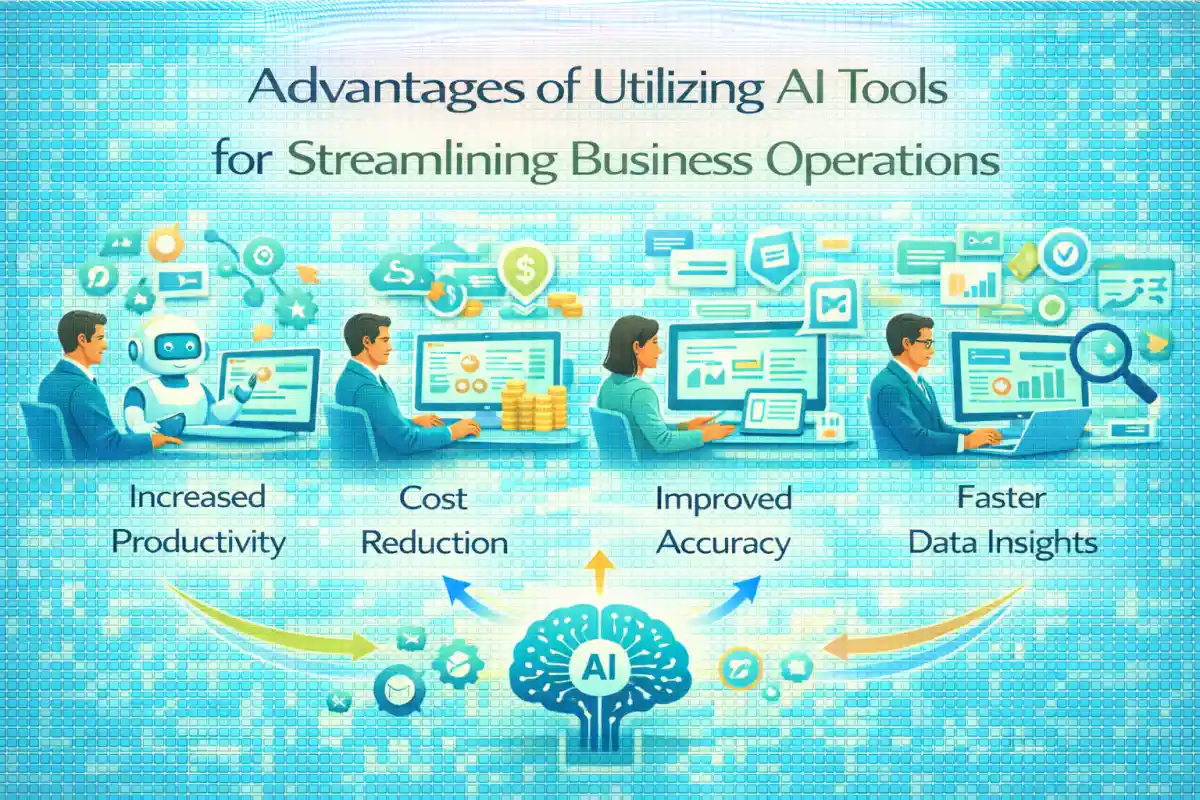
Advantages of Utilizing AI Tools for Streamlining Business Operations
Understanding Business Automation through AI
Business automation refers to the use of technology to perform tasks with minimal human intervention. When integrated with artificial intelligence, these systems can adapt and learn from data. This combination allows businesses to not only automate repetitive tasks but also to enhance decision-making processes. AI-driven automation can analyze vast amounts of information, recognize patterns, and make recommendations, leading to improved efficiency.
Organizations are increasingly turning to AI solutions to handle various functions. This shift is driven by the need for speed, accuracy, and the ability to manage large volumes of work. AI tools are designed to optimize workflows, allowing employees to focus on more strategic initiatives rather than mundane tasks.
Reasons for the Rising Demand for AI Automation Tools
The demand for AI automation tools is surging in today's fast-paced business environment. Companies are seeking ways to remain competitive while managing costs effectively. AI tools can automate numerous processes that would otherwise require substantial time and resources. As businesses recognize the potential for operational excellence, the adoption of these tools is becoming a priority.
Furthermore, the COVID-19 pandemic accelerated digital transformation. Companies that embraced automation were better positioned to adapt to remote work and shifting market conditions. This shift has led to an increased focus on technologies that enhance productivity and maintain continuity, solidifying the demand for AI-driven solutions.
Major Advantages of AI Tools in Business Automation
1. Significant Cost Reduction
Implementing AI tools can lead to substantial cost savings. By automating routine tasks, businesses can reduce labor costs and minimize the need for extensive manual oversight. This efficiency allows companies to allocate resources more effectively.
2. Increased Operational Efficiency
AI tools streamline processes, enabling tasks to be completed faster and with fewer errors. Automation reduces the time spent on repetitive activities, allowing employees to concentrate on more value-added tasks. This shift enhances overall productivity and boosts morale.
3. Improved Accuracy and Reduced Errors
AI systems are designed to minimize human error. With data-driven processes, businesses can ensure a higher level of precision in their operations. This accuracy is particularly important in fields like finance and healthcare, where errors can have serious consequences.
4. Scalability Without Proportional Cost Increase
One of the most appealing aspects of AI tools is their scalability. As a business grows, AI systems can handle increased workloads without a corresponding rise in costs. This flexibility allows companies to expand their operations efficiently.
5. Faster and Smarter Decision-Making
AI tools analyze data at a speed and depth that surpasses human capabilities. This capability enables businesses to make informed decisions quickly. By leveraging insights from AI, companies can respond to market changes and customer needs more effectively.
Common Business Processes Enhanced by AI Automation
Customer Support Automation
AI technologies, like chatbots, are transforming customer service. These tools can handle inquiries 24/7, providing timely responses and freeing human agents to deal with more complex issues. This not only improves customer satisfaction but also enhances efficiency.
Finance and Accounting Automation
In finance, AI tools can automate processes such as invoicing, expense tracking, and financial reporting. These systems reduce the likelihood of errors and ensure compliance with regulations, making financial management more streamlined.
Marketing Automation
Marketing departments benefit greatly from AI tools that can analyze consumer behavior. These tools help businesses create targeted campaigns and optimize their strategies based on real-time data, leading to more effective marketing efforts.
Sales Automation
AI tools assist sales teams by providing insights into customer preferences and behaviors. This information enables sales professionals to tailor their approaches, improving conversion rates and customer relationships.
HR and Recruitment Automation
In human resources, AI can streamline recruitment processes. Tools can screen resumes, schedule interviews, and even conduct initial assessments, significantly reducing the time needed to fill positions.
Sectors Most Impacted by AI Automation
Banking and Finance
The banking sector is leveraging AI for fraud detection, risk assessment, and customer service. Automation in these areas enhances security and operational efficiency.
Healthcare
In healthcare, AI tools assist in patient diagnostics, treatment planning, and administrative tasks. This automation improves patient care and reduces the burden on healthcare professionals.
E-commerce
E-commerce businesses utilize AI for inventory management, personalized recommendations, and customer service. This technology helps enhance the shopping experience and optimize supply chain operations.
Manufacturing
Manufacturers are adopting AI for predictive maintenance, quality control, and process optimization. These tools help reduce downtime and improve product quality.
IT and SaaS
In the IT sector, AI tools assist in software development, system monitoring, and security management. Automation in these areas can lead to faster deployment and enhanced security protocols.
Understanding the High CPC and eCPM of AI Automation Tools
The cost-per-click (CPC) and effective cost-per-thousand impressions (eCPM) of AI automation tools often reflect their growing value. As businesses seek to enhance their operations, the demand for high-quality automation tools increases, driving up advertising costs. This trend indicates a competitive market where businesses are willing to invest in effective solutions.
Moreover, the potential return on investment from these tools is significant. Companies expect that the initial costs will be outweighed by the long-term benefits of improved efficiency and reduced operational costs.
Obstacles in AI Business Automation
Despite the advantages, implementing AI automation comes with challenges. Businesses may face resistance from employees concerned about job displacement. Additionally, integrating AI systems with existing infrastructure can be complex and costly.
Data security is another major concern. Companies must ensure that their AI tools comply with regulations and protect sensitive information. Addressing these challenges is crucial for successful implementation.
The Future of AI Automation in Business
As technology continues to evolve, AI automation will likely become even more integral to business operations. Emerging trends, such as advanced machine learning and natural language processing, will enhance the capabilities of automation tools.
Companies that embrace these advancements will be better positioned to thrive in an increasingly competitive landscape. The future of business automation is bright, with AI at the forefront of driving innovation and efficiency.
Concluding Thoughts
AI tools offer numerous benefits for businesses looking to streamline operations. From cost savings to improved accuracy, the advantages are clear. As more companies adopt these technologies, the landscape of business automation will continue to evolve.
Ultimately, investing in AI automation tools is not just a trend; it is a strategic move for businesses aiming to stay ahead in a rapidly changing environment.