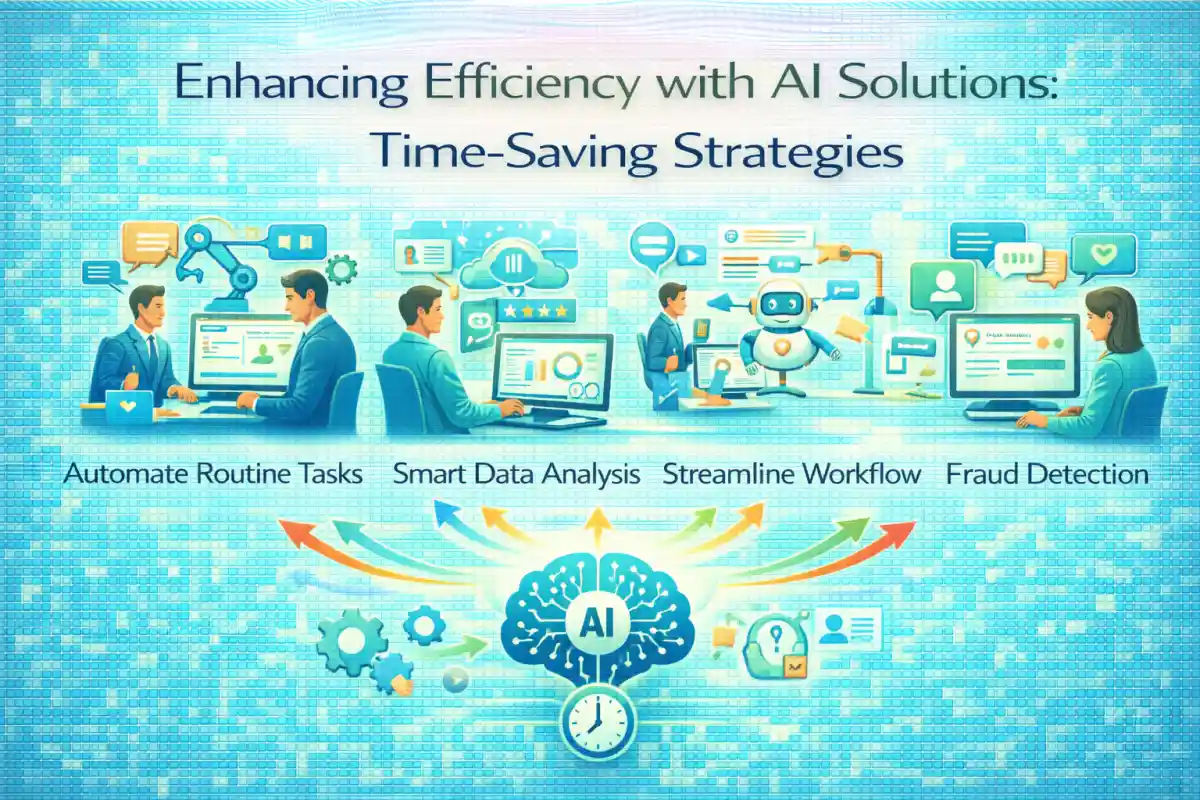
Enhancing Efficiency with AI Solutions: Time-Saving Strategies
Understanding AI Productivity Tools
AI productivity tools are software applications designed to help users manage tasks more effectively. These tools leverage artificial intelligence to automate processes, enhance decision-making, and streamline workflows. They can assist in everything from scheduling meetings to generating reports, making everyday tasks simpler and faster.
With the continuous development of technology, these tools have become essential for individuals and teams looking to maximize their productivity. They integrate machine learning and data analytics to deliver insights and recommendations tailored to user needs. This ensures that tasks are not just completed but done efficiently.
The Rapid Growth of AI Productivity Tools
The surge in AI productivity tools can be attributed to the increasing demand for efficiency in the workplace. As companies strive to do more with less, they turn to technology for solutions. The pandemic also accelerated this trend, as remote work created a need for effective collaboration tools.
Furthermore, the rise of cloud computing has made these tools more accessible. Organizations can now implement AI solutions without significant upfront investments in hardware or software. This has opened the door for businesses of all sizes to take advantage of cutting-edge technology.
How AI Productivity Tools Enhance Time Management
One of the most significant benefits of AI tools is their ability to save time across various tasks. By automating repetitive activities, they free up valuable hours for more critical projects. For instance, AI can handle data entry, appointment scheduling, and other mundane tasks, allowing employees to focus on their core responsibilities.
Moreover, these tools can improve the speed of content creation. Writers and marketers can use AI to generate drafts, analyze trends, and suggest optimizations. This not only accelerates the writing process but also enhances overall quality by providing data-driven insights.
1. Automating Repetitive Tasks
Automation is at the heart of many AI productivity tools. By taking over repetitive tasks, these tools help reduce the time spent on mundane activities. This automation can range from simple functions, such as sending follow-up emails, to more complex processes like managing inventory.
2. Faster Content Creation and Writing
AI writing assistants can generate content quickly based on user input. They analyze previous works and suggest improvements, ensuring that the output is not only fast but also of high quality. This is particularly beneficial for marketing teams needing to produce large volumes of content regularly.
3. Smarter Task and Time Management
AI tools can assist in organizing tasks more efficiently. They can prioritize work based on deadlines and urgency, allowing users to manage their time better. This helps prevent burnout and ensures that important projects receive the attention they need.
4. Improved Communication Efficiency
Effective communication is vital in any organization. AI tools can facilitate better communication by providing instant translations, summarizing discussions, and creating agendas for meetings. This ensures that everyone is on the same page and reduces misunderstandings.
5. Faster Data Analysis and Decision-Making
AI-powered analytics tools can process vast amounts of data quickly. They can identify trends, forecast outcomes, and provide actionable insights. This speed allows businesses to make informed decisions faster, giving them a competitive edge.
Popular Types of AI Productivity Tools
There are several categories of AI productivity tools available, each designed to address specific needs. These include:
- AI Personal Assistants: Tools like virtual assistants can schedule appointments, send reminders, and manage tasks.
- AI Writing and Research Tools: These tools help in drafting content and conducting research efficiently.
- AI Project Management Tools: They assist teams in tracking progress and managing deadlines.
- AI Meeting and Collaboration Tools: These facilitate virtual meetings and enhance team collaboration.
- AI Data and Analytics Tools: They analyze data trends and inform strategic decisions.
Comparing AI Productivity Tools to Traditional Software
Unlike traditional productivity software, AI tools adapt to user behavior and preferences. They learn from interactions to improve their functionality continually. This contrasts with standard software that often requires manual updates and user input for improvements.
Additionally, AI solutions can integrate seamlessly with existing systems, providing a more cohesive user experience. This integration allows for better data sharing and collaboration across different platforms.
Industries Leading the Way in AI Tool Adoption
Many sectors are embracing AI productivity tools to enhance their operations. The technology and SaaS industries are at the forefront, utilizing these tools to streamline processes and improve service delivery.
Other sectors, such as marketing and advertising, finance, healthcare, and education, are also reaping the benefits. From automating routine tasks to analyzing customer data, AI tools are transforming how these industries operate.
Understanding the High CPC and eCPM for AI Productivity Keywords
The high cost-per-click (CPC) and effective cost-per-mille (eCPM) for AI productivity keywords stem from their increased demand. As more businesses seek to implement AI solutions, competition for relevant keywords has intensified.
Advertisers are willing to pay a premium to reach audiences interested in productivity enhancements. This trend reflects the growing recognition of AI's value in the workplace.
Challenges of Implementing AI Productivity Tools
Despite their advantages, there are challenges associated with AI productivity tools. Integration with existing systems can sometimes be complicated. Companies may face resistance from employees who are accustomed to traditional methods.
Moreover, there is a learning curve associated with these tools. Organizations must invest time and resources into training staff to ensure they can utilize the technology effectively.
The Future of AI Productivity Solutions
Looking ahead, the future of AI productivity tools appears promising. As technology continues to advance, we can expect more innovative solutions that address complex challenges. These tools will likely become even more intuitive and integrated into daily workflows.
Organizations that embrace these changes will likely see significant improvements in efficiency and productivity, paving the way for a more automated and data-driven future.
Final Thoughts
AI productivity tools offer a powerful way to enhance efficiency and save time. By automating mundane tasks and providing valuable insights, they allow users to focus on what truly matters. As these tools continue to evolve, they will play an increasingly vital role in shaping the future of work.